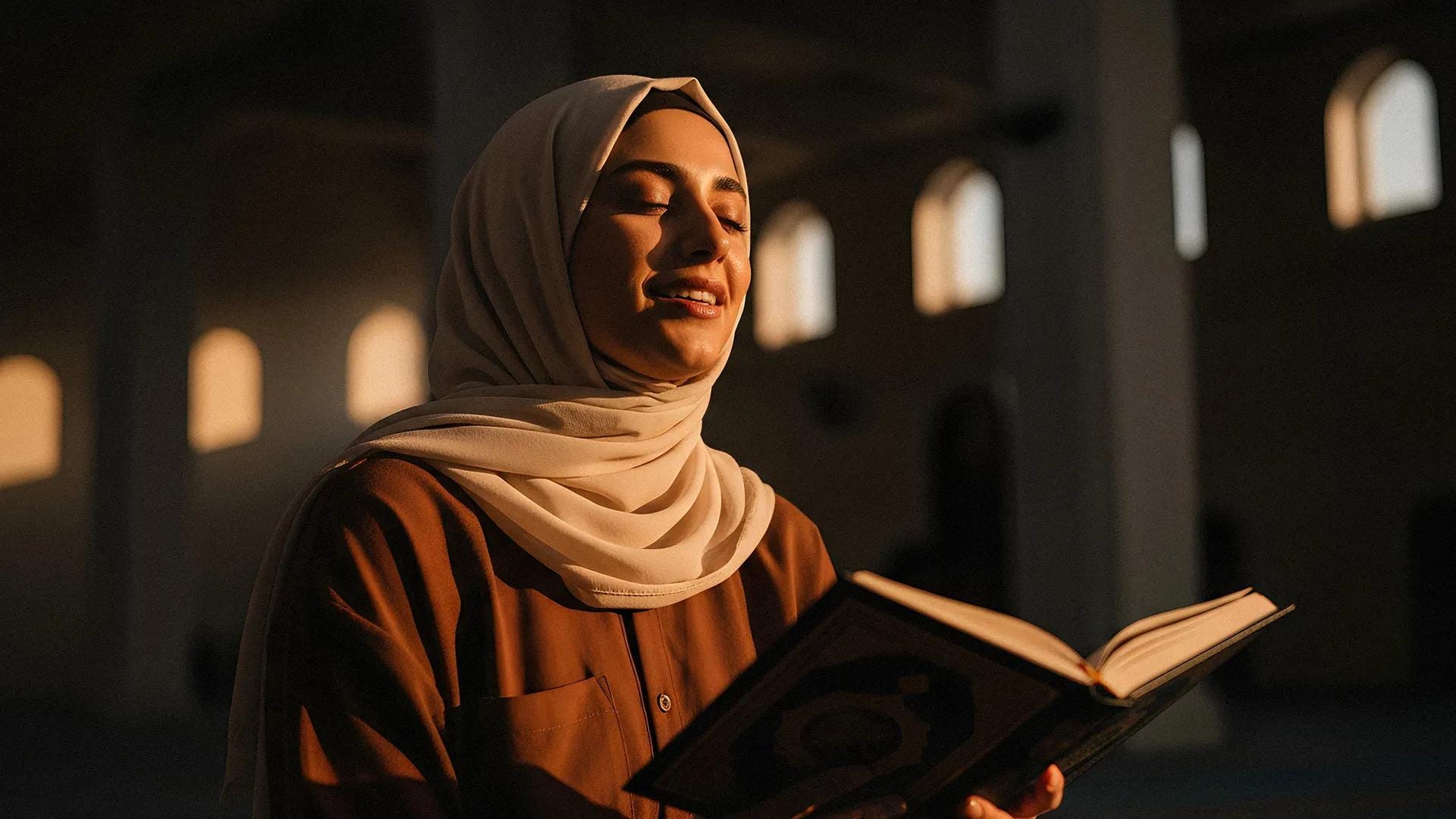
Eid al-Fitr: A Time for Reflection, Gratitude, and Growth
As Ramadan (a month centred on fasting and reflection) ends, Eid al-Fitr (special festival celebrated after a month of fasting) arrives as a moment of joy, warmth, and renewal. It is a time when families reconnect, prayers are shared, and meals are enjoyed together. Beyond celebration, this special occasion invites you to pause and think about how the discipline of Ramadan can shape your next steps, supporting steady growth in both personal wellbeing and everyday finances.
Celebrating Eid al-Fitr and Its Deeper Meaning

Eid al-Fitr marks the completion of a month filled with intention and restraint. Muslims begin the day with prayer, give Zakat al-Fitr (charitable donation), visit relatives, and share food with neighbours and friends. These familiar traditions are more than rituals; they are reminders of balance and care for others. Many people notice simple habits formed during Ramadan, such as waking earlier with purpose, eating more mindfully, or limiting unnecessary spending. Carrying even one of these habits forward can help you stay grounded and focused long after the celebrations end.
Reflection and Gratitude after Ramadan
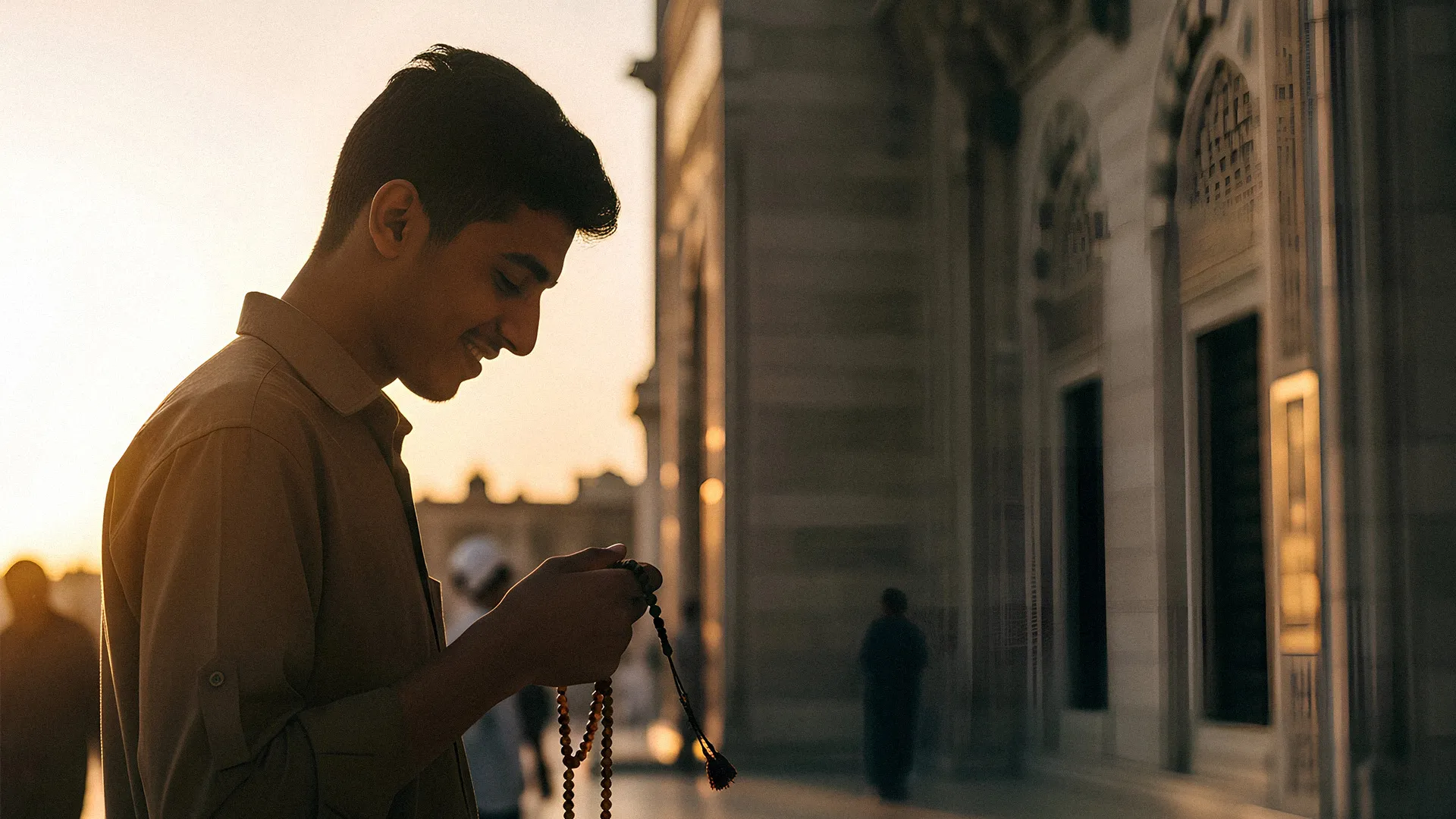
In the days following Eid al-Fitr, you may naturally reflect on what Ramadan taught you. This Eid reflection could be as simple as recognising how fasting reduced impulse buying or how setting prayer times brought structure to your day.
As life after Ramadan resumes, gratitude becomes practical. Some people continue meal planning to avoid waste, while others keep a small weekly giving habit they started during Ramadan. These choices encourage thoughtful spending and support healthy financial growth without feeling overwhelming.
Turning Mindfulness into Lasting Growth

The mindful routines built during Ramadan are worth protecting. Eid al-Fitr is a gentle checkpoint to ask how those routines can continue. For example, you might review your monthly budget, noting where you naturally spent less during fasting, or set aside savings on payday as you did when planning for Eid expenses. Small actions like tracking expenses once a week or discussing money goals openly with family can create clarity and confidence.
When your financial decisions reflect care, moderation, and intention, they support faith-aligned living and long-term stability. A mindful reset is not about doing everything at once, but about choosing habits that feel sustainable and meaningful.
A Mindful Financial Reset for the Year Ahead

After Eid al-Fitr, many people feel motivated to realign their priorities. This could mean setting a realistic savings goal, planning for future milestones, or reviewing investments with fresh eyes.
Taking these steps calmly and consistently helps reduce stress and builds trust in your financial journey. It allows you to move forward with intention rather than pressure.
As you celebrate Eid al-Fitr, consider how the lessons of Ramadan can guide your months ahead. By carrying reflection, intention, and growth forward, you can create lasting peace beyond the festive season. If you are ready to make mindful financial decisions designed for the long run, book a call with us to explore your options and see how they can support you at every stage of your journey.
Disclaimer:
This material has been prepared by Hejaz Financial Services as a Corporate Authorised Representative number 001286485 of Hejaz Financial Advisers Pty Ltd (ABN 49 634 683 613 AFSL 517686) and is provided for general information purposes only. It does not constitute financial advice and should not be relied upon as such. Please refer to the relevant Product Disclosure Statement (PDS) and Target Market Determination (TMD) before making any financial decision.
No comment yet
Be the first one to leave thoughts!
0 comments
Stay updated to our latest financial insights and other useful articles.