
The Impact of Islamic Finance on Society
Islamic finance is not just a financial model; it’s a framework for social change rooted in Sharia principles. With core tenets like the prohibition of interest (Riba) and a focus on profit-and-loss sharing, Islamic finance promotes societal benefits that go beyond conventional banking. Here, we’ll explore how the impact of Islamic finance is creating positive changes worldwide, from economic growth to community development.
Principles of Islamic Finance and Their Societal Benefits

Islamic finance is founded on principles like risk-sharing, halal investment, and asset-backed financing, which prioritise fairness, transparency, and social justice. These principles create a financial model that benefits not just investors but also society at large by fostering responsible finance practices.
- Halal Investments: Islamic finance promotes investments in projects that align with social and environmental well-being, prohibiting funds in industries deemed harmful, such as alcohol, gambling, and weapons.
- Risk-Sharing and Equity: Profit-and-loss sharing mechanisms encourage shared responsibility, reducing the wealth gap and promoting equitable growth.
How Islamic Finance Contributes to Economic Stability and Growth
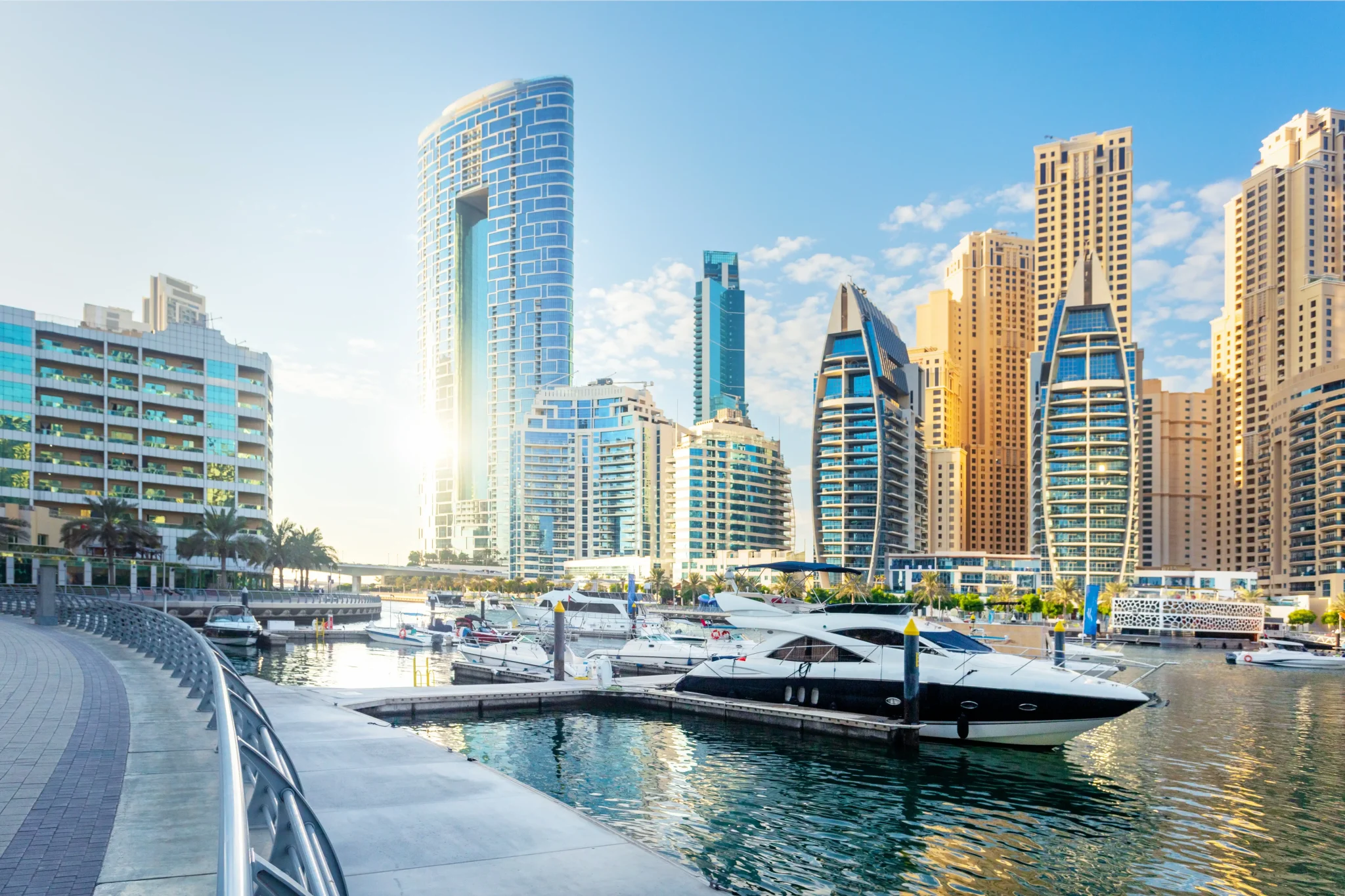
The Sharia framework of Islamic finance enhances economic stability. By avoiding speculative practices and focusing on real asset-backed financing, Islamic finance creates more resilient financial systems. Additionally, Islamic finance institutions are increasingly contributing to economic growth in emerging markets by providing Sharia-compliant financing options that align with local values and economic needs.
Example: Studies from organisations like the Islamic Development Bank (IDB) indicate that Islamic finance contributes to GDP growth by increasing access to financing for small businesses and supporting infrastructure development in emerging economies.
Case Studies: Successful Islamic Finance Initiatives

Real-world applications of Islamic finance showcase its impact on improving quality of life and fostering community well-being:
- Microfinance: Programs by the Islamic Development Bank offer small loans to low-income entrepreneurs, empowering them to start businesses and support their families.
- Affordable Housing in Malaysia: The Malaysia Building Society has used Islamic financing to provide thousands of affordable homes for low-income families, creating stable living conditions and boosting local economies.
- Community Development Projects: Initiatives by the Islamic Corporation for the Development of the Private Sector (ICD) have funded hospitals, schools, and water treatment facilities, directly contributing to better health and education outcomes in underserved regions.
The Role of Islamic Finance in Promoting Halal Investments

One of the standout benefits of Islamic finance is its focus on halal investments. Islamic finance prohibits investments in sectors considered harmful to society, instead channeling funds into projects with positive social impact.
Example: Hejaz Halal Investment and ETFs offers a variety of halal investment funds and ETFs, ensuring they strictly adhere to Sharia principles by avoiding interest and prohibited activities. Our managed funds cater to diverse risk preferences, focusing on investments in Sharia-compliant assets such as companies and property. This enables Muslims to grow their wealth responsibly while staying true to their faith.
Contributions to Poverty Reduction and Financial Inclusion

By prioritising access to capital for underserved populations, Islamic finance plays a key role in poverty reduction and financial inclusion. Microfinance and small-scale lending programs make it easier for low-income individuals to access funds, fostering self-sufficiency and economic empowerment.
Example: Through microfinance initiatives, Islamic finance institutions provide small loans to entrepreneurs and farmers, enabling them to build businesses, create jobs, and improve their quality of life.
Environmental Impact Through Sustainable Investment Practices

Islamic finance principles align closely with sustainable investment practices, as both prioritise responsibility and long-term value creation. Sharia-compliant investments often support environmental and social governance (ESG) standards, promoting sustainability in sectors like renewable energy and waste management.
Example: Islamic Green Sukuk, a financial instrument based on Islamic bonds, is used to fund eco-friendly projects such as solar power plants and sustainable infrastructure, supporting environmental preservation and clean energy.
Islamic Finance’s Role in the Global Financial Markets

As global financial markets expand, Islamic finance is gaining recognition as a viable alternative to conventional finance. Many international markets now include Islamic finance options, recognising their value in promoting stability and halal investment. The impact of Islamic finance is also seen in multinational collaborations on infrastructure projects and cross-border trade.
Example: Several Western and Asian markets now issue Sukuk (Islamic bonds) to attract Muslim investors, demonstrating Islamic finance’s growing role on the global stage.
Future Trends in Islamic Finance and Societal Impact

Looking ahead, Islamic finance is poised to expand its influence through technological innovation, increased financial inclusion, and continued halal investments. Key trends include:
- Fintech in Islamic Finance: Innovations like Islamic fintech solutions are making Sharia-compliant finance more accessible, reaching a broader audience and supporting underserved communities.
- Global Expansion: As more regions recognise the value of Islamic finance, there’s potential for partnerships in sustainable development and infrastructure.
Final Thoughts: Islamic Finance as a Catalyst for Positive Social Change

The impact of Islamic finance goes beyond financial returns; it fosters social justice, economic equality, and sustainable development. With principles that emphasise fairness and responsibility, Islamic finance provides a roadmap for building resilient economies and uplifting communities.
For those interested in Sharia-compliant investment options, Hejaz offers a range of products designed to align with your values while promoting financial growth. Visit Hejaz’s Investment Options or contact us at 1300 043 529 to learn more about how Islamic finance can contribute to both your financial goals and a brighter future for society.
Read More
Curious about how Islamic finance can help you achieve your financial goals? Explore these resources to learn more:
- Islamic Superannuation Investment Options – Discover Sharia-compliant investment options designed to align with your values and grow your Superannuation.
- Savings: It’s Simply Magic – Learn simple, effective strategies to build your savings while adhering to Islamic principles.
- Getting Started with Investing – New to investing? This guide will walk you through the basics of building a strong and halal portfolio.
- Is Investing Halal? – Understand the principles behind Halal investing and how to ensure your investments meet Sharia standards.
Each of these resources offers valuable insights into making informed financial decisions that align with your values.
Disclaimer:
The information contained in this material is for informational purposes only and does not constitute financial advice. It is not intended to be relied upon as a substitute for professional advice specific to your individual circumstances.
The information presented above is prepared by Hejaz Financial Adviser Pty Ltd (ABN 49 634 683 613; AFSL 517686). It provides general information only, which means it does not take into account your individual objectives, financial situation, needs or circumstances. Before making any financial decision, you should assess whether the information is appropriate for you. You should also seek appropriate financial advice tailored to your needs before making any financial decisions. This information is not an offer or recommendation to make any investment or adopt any investment strategy. Past performance is not a reliable indicator of future performance.
No comment yet
Be the first one to leave thoughts!
0 comments
Stay updated to our latest financial insights and other useful articles.