
2026 Halal Investments: Trends, Opportunities and Strategy
As global markets evolve and investor expectations shift toward values-driven portfolios, the demand for halal investments continues to accelerate. For Muslim professionals seeking sharia-compliant pathways to build long-term wealth, 2026 presents new opportunities such as halal ETFs and Islamic managed funds. Drawing on recognised industry research and the depth of experience at Hejaz, this article explores key trends shaping the future of Islamic investing.
Halal Investments on the Rise

According to the ICD–LSEG Islamic Finance Development Report 2025, global Islamic finance assets are expected to grow to around US$9.7 trillion by 2029—an average annual increase of about 10% over the next four years. This growth is being driven by robust demand for Sharia-compliant, faith-based finance and increasing prosperity among Muslim professionals.
Halal ETFs and Islamic managed funds are two common ways for investors to build diversified, Sharia-compliant portfolios that do not compromise on values.
Sharia-Compliant ETFs
Halal ETFs are popular among investors who seek transparency, low costs, and diversified access to global markets. For Muslim investors, halal ETFs offer the added benefit of sharia-compliant screening—removing non-permissible industries such as alcohol, gambling, and conventional finance.
Australia is experiencing a rise in halal ETF Australia offerings, creating more accessible halal investment options for both sophisticated investors and those investing for beginners. As values-based ETFs gain global traction, halal-aligned ETF products are expected to play an increasingly important role in Sharia-compliant investing.
Professionally Managed Islamic Funds
Muslim investors often seek expert-led solutions combining portfolio management with Sharia governance. The Islamic Financial Services Industry Stability Report 2025, published by the Islamic Financial Services Board (IFSB), notes renewed momentum across Islamic finance, with total industry assets rising to approximately US$3.88 trillion in 2024 and Islamic funds continuing to expand.
This growth underscores the case for Islamic investment funds—actively managed portfolios that adhere to Sharia standards while capturing market trends.
Halal Investments: Strategies for Navigating 2026 Markets

With markets evolving rapidly, Muslim investors—whether seasoned or investing for beginners—may consider a range of approaches used in Sharia-aligned portfolios:
1. Diversify across Halal-Friendly Growth Sectors
Forecasts continue to highlight sectors such as fintech, halal consumer economy, renewable energy, and higher education as growth areas*. Including these in a compliant portfolio helps mitigate risk while positioning for returns.
2. Prioritise Sharia Screening and Compliance
A disciplined approach to sharia screening is essential. Investors must ensure their holdings exclude prohibited activities, meet acceptable debt ratios and align with Sharia standards.
3. Leverage Expert-Guided Solutions
In an increasingly volatile environment, expert-managed funds led by Sharia-compliant professionals provide the structure, governance and diversification that self-managed portfolios may lack. This positions investors well in the realm of Islamic investing.
Hejaz: Your Sharia-Compliant Investment Partner in 2026
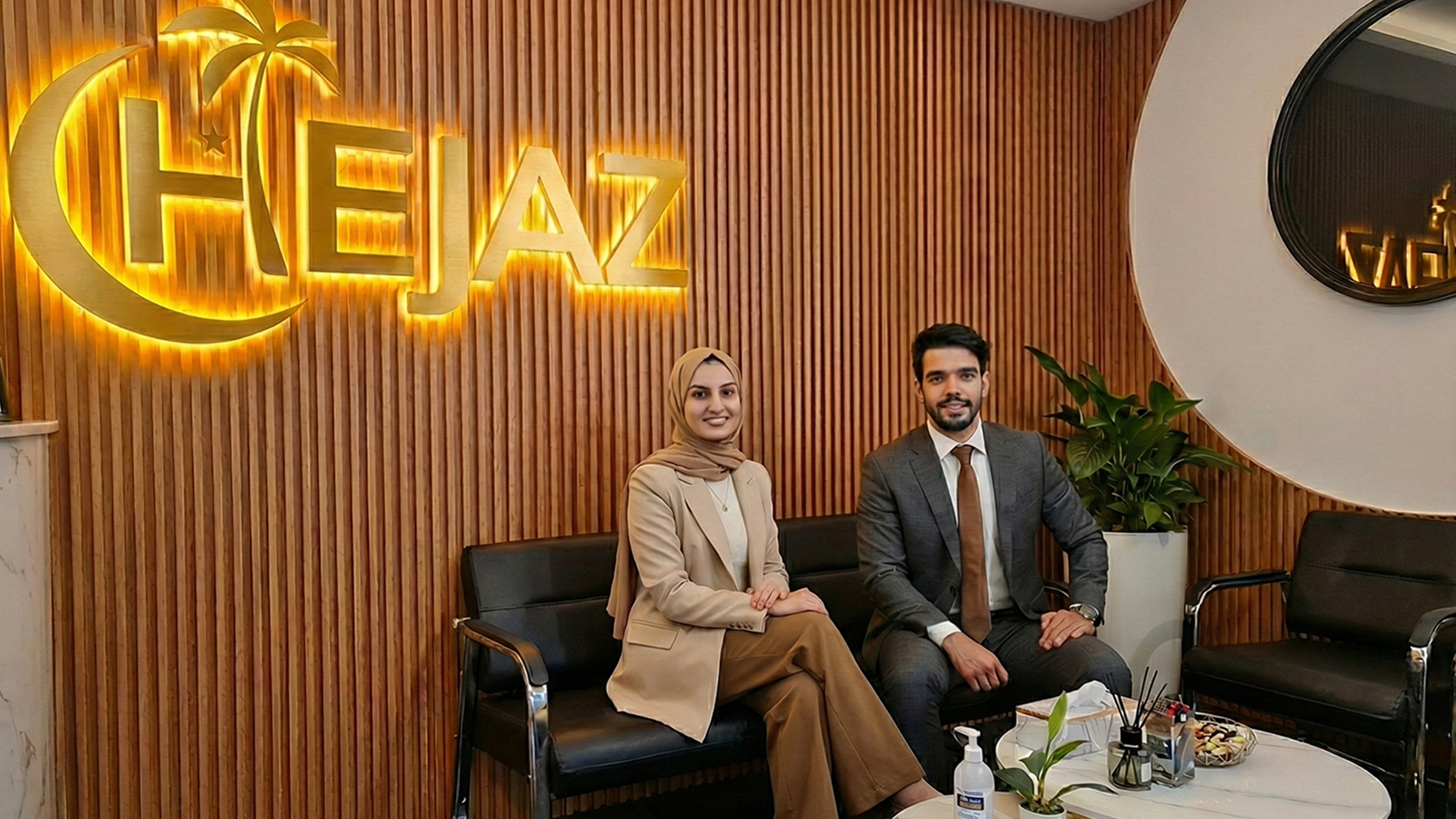
For over a decade, Hejaz has been at the forefront of Sharia-compliant wealth management in Australia. Our expertise spans halal ETFs and managed Islamic funds, designed for Muslim individuals and families seeking faith-aligned growth. Through Hejaz, investors can access professionally managed, Sharia-screened investment solutions backed by deep experience in Islamic finance.
*Sources include: 1) DinarStandard and Elipses, “Global Islamic Fintech Report 2024-25”, 2025; 2) DinarStandard, “State of the Global Islamic Economy 2025”, Jul 2025; 3) The International Energy Agency (IEA), “Renewables 2025”, Oct 2025; 4) Precedence Research, “Higher Education Market Size, Share and Trends 2025 to 2034”, Nov 2025.
Disclaimer:
Hejaz Asset Management Pty Ltd (ABN 69 613 618 821, AFSL 550009) is the Investment Manager for Hejaz investment funds. Information on the Hejaz website, in product documents, or promotional materials is general in nature and does not consider your personal circumstances. You should read the relevant PDS or offer document before making an investment decision. Investments carry risk, and past performance is not an indicator of future results. Sharia compliance is based on the interpretation of our appointed Sharia advisers.
No comment yet
Be the first one to leave thoughts!
0 comments
Stay updated to our latest financial insights and other useful articles.